

Dart flights may be small, but they play an important role in how a dart travels through the air. The shape, size and material of the flight can influence stability, speed and the angle at which the dart reaches the board.

What Does a Dart Flight Do?

The flight helps stabilise the dart during its journey toward the board. As the dart moves through the air, the flight creates drag that helps keep the point travelling forward and reduces unwanted movement.

Changing the flight can therefore noticeably change the way a dart behaves, even when the barrel and shaft remain the same.

Large Dart Flights

Larger flights create more air resistance and generally provide greater stability. They can be useful for players who prefer a slower, more controlled trajectory or who throw with slightly less force.

Standard-shaped flights are one of the most common choices because they offer a balanced combination of stability and control.

Small Dart Flights

Smaller flights produce less drag, allowing the dart to travel faster and more directly toward the board. They are often preferred by players with a faster throwing style or those who want a flatter trajectory.

Because they provide less air resistance, smaller flights can sometimes require a more consistent throwing technique.

Flight Shape Matters

Dart flights are available in many different shapes. Each shape changes the amount of surface area interacting with the air and can affect the dart’s trajectory.

  • Standard flights provide strong stability and are suitable for many playing styles
  • Slim flights create less drag and can support a faster trajectory
  • Kite and pear-shaped flights offer a balance between speed and stability
  • Specialist flight shapes allow players to fine-tune the behaviour of their darts

Consider the Shaft Length

The flight works together with the shaft. A longer shaft combined with a larger flight may create a more stable and controlled dart, while a shorter shaft and smaller flight can produce a quicker and more direct feel.

Experimenting with different combinations can help you find a setup that better matches your natural throwing motion.

Check the Condition of Your Flights

Flights can become bent, torn or damaged after repeated use. Damaged flights may affect consistency and cause the dart to travel differently from one throw to another.

Inspect your flights regularly and replace them when they become noticeably worn or distorted.

Find the Right Flight for Your Game

There is no single flight shape that works best for every player. Your preferred dart weight, shaft length, throwing speed and release style can all influence which flight performs best for you.

Trying several flight shapes and sizes is a simple way to fine-tune your dart setup and discover which combination provides the stability and control you prefer.

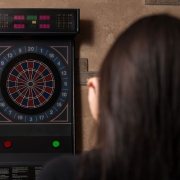
Choosing the right set of darts can make a noticeable difference in comfort, control and consistency. While darts may look similar at first, differences in weight, barrel shape, grip, shaft length and flight design can all influence the way a dart feels and performs.

Start with the Dart Weight

Dart weight is one of the most important factors to consider. Heavier darts generally require a smoother and more controlled throwing motion, while lighter darts can feel quicker and may suit players who prefer a faster release.

Beginners should experiment with different weights until they find a dart that feels natural and comfortable in the hand.

Consider the Barrel Shape

The barrel is the part of the dart that you hold. Different barrel shapes can influence grip position and balance.

  • Straight barrels offer a consistent grip along most of the dart
  • Front-weighted barrels may suit players who hold the dart closer to the point
  • Rear-weighted barrels can work well for players who grip closer to the shaft

Choose a Comfortable Grip

Dart barrels are available with different grip patterns, from smooth surfaces to deeper rings and textured sections. A stronger grip can provide additional control, while a smoother barrel may allow the dart to leave the fingers more naturally.

The best grip level depends on personal preference, so comfort should always be more important than appearance.

Pay Attention to Shafts and Flights

The shaft and flight help stabilise the dart while it travels through the air. Different shaft lengths and flight shapes can change the angle and speed of the dart.

Larger flights generally provide more stability, while smaller flights can create a faster and more direct trajectory.

Steel Tip or Soft Tip?

Your choice of dart also depends on the type of dartboard you use. Steel-tip darts are designed for traditional bristle dartboards, while soft-tip darts are intended for electronic dartboards.

Always make sure the dart type is compatible with your dartboard before playing.

Test Different Setups

There is no single dart setup that works perfectly for every player. Small changes to the barrel, shaft, flight or weight can significantly affect the way a dart feels.

Trying different combinations is one of the best ways to discover which setup gives you the most confidence and consistency.

Find the Dart That Feels Right

The best darts are not necessarily the most expensive or the most advanced. They are the darts that feel balanced, comfortable and predictable in your hand.

By understanding the basic components and experimenting with different configurations, you can build a dart setup that better matches your individual throwing style.

Electronic and traditional dartboards offer very different playing experiences. From automatic scoring and casual group play to the classic feel of steel-tip darts, discover which setup is right for your space and playing style.

Choosing the Right Dartboard

Choosing the right dartboard can completely change the way you enjoy the game. Traditional bristle boards remain the classic choice for serious steel-tip players, while electronic dartboards offer automatic scoring, multiple game modes and an easier way for friends and family to play together.

For players creating a home darts setup, the decision often comes down to how and where the board will be used.

Electronic Dartboards

Electronic dartboards are particularly convenient for casual games, family environments and social spaces. Built-in scoring removes the need to calculate points manually, while many models include multiple game formats that make it easy for new players to get started.

They are also commonly used with soft-tip darts, making them suitable for indoor environments where reducing wall damage and impact is important.

Traditional Dartboards

A traditional bristle dartboard provides the familiar experience associated with competitive steel-tip darts. It offers a simple setup, does not require power and gives players the feel and sound many experienced dart players prefer.

For dedicated practice or players interested in traditional competition formats, a quality bristle board remains an excellent choice.

Think About Your Playing Environment

Before choosing a dartboard, consider how the space will be used and what type of playing experience you want to create.

  • Who will use the dartboard
  • Available wall space
  • Whether automatic scoring is important
  • Soft-tip or steel-tip preference
  • Lighting around the dartboard
  • Wall protection
  • Storage for darts and accessories

A well-planned setup is just as important as the board itself. Proper lighting, protection and organised accessories can make the playing area more comfortable and enjoyable.

Which Dartboard Should You Choose?

Choose an Electronic Dartboard If:

You want convenient automatic scoring, multiple game modes and an easy social playing experience for friends and family.

Choose a Traditional Dartboard If:

You prefer classic steel-tip play, straightforward construction and a more competition-oriented darts setup.

Build a Setup That Fits the Way You Play

There is no single best option. The right dartboard is the one that fits how you play, who you play with and the space you have available.

By combining the right dartboard with suitable lighting, wall protection and organised dart accessories, you can create a more practical and enjoyable playing environment.